



23 Oct Stroke Treatment: All You Need to Know


[vc_section full_width=”stretch_row” css=”.vc_custom_1651042758247{background-color: #ffffff !important;}”][vc_row full_width=”stretch_row” el_class=”banner-row”][vc_column][vc_empty_space height=”40px”][vc_single_image image=”51041″ img_size=”full” alignment=”center”][vc_empty_space height=”40px”][/vc_column][/vc_row][vc_row el_class=”content-row”][vc_column width=”1/6″ el_class=”blog-share-icon”][vc_icon icon_fontawesome=”fab fa-twitter” color=”custom” background_style=”rounded-outline” background_color=”custom” size=”sm” align=”right” custom_background_color=”#00585f” el_class=”share-twitter-icon” link=”url:%23″][vc_icon icon_fontawesome=”fab fa-facebook-f” color=”custom” background_style=”rounded-outline” background_color=”custom” size=”sm” align=”right” custom_background_color=”#00585f” el_class=”share-fb-icon” link=”url:%23″][/vc_column][vc_column width=”4/6″][vc_column_text]
Stroke Treatment: All You Need to Know
[/vc_column_text][vc_empty_space height=”10px”][vc_column_text el_class=”date”]By Island Hospital | October 23, 2024 12:00:00 PM[/vc_column_text][vc_empty_space height=”20px”][vc_column_text el_class=”date”]Medical Reviewer: Dr. Haniffah B. Abdul Gafoor, Neurologist[/vc_column_text][vc_empty_space height=”40px”][vc_column_text el_class=”blog-content”]Did you know that stroke is Malaysia’s third leading cause of death with 19,928 fatalities recorded in 2019 alone?
As stroke cases rise, particularly among younger adults under 65, understanding treatment and rehabilitation options is more important than ever.
Whether you’re a stroke patient or a caregiver, discover valuable insights and practical advice in this article to guide you on the path to recovery.[/vc_column_text][vc_empty_space height=”40px”][vc_column_text el_id=”reasons” el_class=”scroll-top”]
Introduction to Stroke
[/vc_column_text][vc_empty_space height=”20px”][vc_column_text el_class=”scroll-top”]
What is a Stroke?
[/vc_column_text][vc_empty_space height=”20px”][vc_column_text el_class=”blog-content”]Stroke happens when blood supply to a part of the brain is disrupted OR when there is sudden bleeding in the brain.
To learn more about stroke and its symptoms, watch this succinct explanation by Dr. Haniffah, a neurologist at Island Hospital:[/vc_column_text][vc_empty_space height=”20px”][vc_video link=”https://www.youtube.com/watch?v=OWlyDUNani8″][vc_empty_space height=”20px”][vc_column_text el_class=”scroll-top”]
Types of Stroke
[/vc_column_text][vc_empty_space height=”20px”][vc_column_text el_class=”blog-content”]Strokes are divided into two types: ischemic and hemorrhagic. 90% of strokes are ischemic and the remaining are hemorrhagic. Ischemic strokes are the most common type of stroke in Malaysia, accounting for 79.4% of all stroke cases (from 2010 to 2014).
- Ischemic Stroke: Occurs when blood supply to a part of the brain is reduced or blocked.
- Hemorrhagic Stroke: Occurs when there is sudden bleeding in the brain.
[/vc_column_text][vc_empty_space height=”20px”][vc_separator][vc_empty_space height=”10px”][vc_column_text el_class=”scroll-top”]Did you know that 80% of strokes can be avoided? Learn the know-hows with our article on how to prevent heart disease and maintain a healthy cardiovascular system.[/vc_column_text][vc_empty_space height=”10px”][vc_separator][vc_empty_space height=”40px”][vc_column_text el_class=”scroll-top”]
Understanding Stroke
[/vc_column_text][vc_empty_space height=”20px”][vc_column_text el_class=”blog-content”]
Who Does it Affect?
Anyone can have a stroke regardless of age and health condition. However, there are several factors which put you at increased risk for stroke:
- Aged 65 years old and above
- Male
- High blood pressure
- High cholesterol
- Type 2 diabetes
- Smoking
- Drinking excessive alcohol
- History of heart conditions (e.g., stroke, heart attack, irregular heart rhythm)
Symptoms
Use the FAST acronym (Fast, Arms, Speech, Time) to identify signs of stroke:
- Face weakness: Check if the person can smile and / or whether their mouth or eye has drooped.
- Arm weakness: Check if the person can raise both arms.
- Speech problems: Check if the person can speak clearly and understand what you’re saying.
- Time to call 999: If you notice any of these signs.
If you notice any of these symptoms in yourself or someone near you, call our emergency hotline at 04-226 8527 immediately. Your fast action can save lives.[/vc_column_text][vc_empty_space height=”40px”][vc_column_text el_class=”scroll-top”]
Stroke Diagnosis
[/vc_column_text][vc_empty_space height=”20px”][vc_column_text el_class=”blog-content”]Upon reaching the hospital, your emergency team will run several tests to determine the type of stroke and rule out other possible causes / other medical conditions:
- Physical Exam: Involves assessing your symptoms and overall health. The medical team will check for signs of a stroke, such as weakness, speech difficulties, or vision problems, and evaluate your neurological function to determine the extent of the stroke
- Blood Tests: Conducted to check for underlying conditions that may have contributed to the stroke, such as high cholesterol, blood sugar levels, or clotting disorders. These steps also help identify any potential complications or risks.
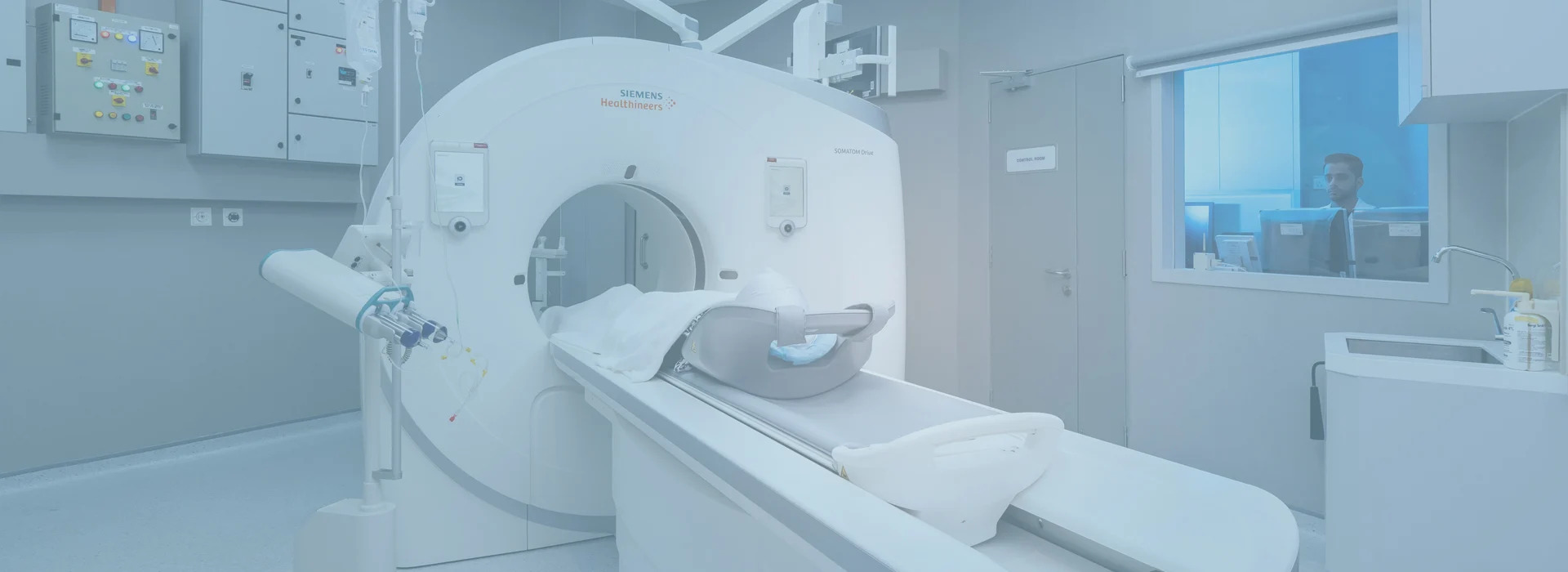
- CT Scan: A CT (computed tomography) scan uses X-rays to create detailed images of the brain. This test helps identify bleeding (hemorrhagic stroke) or ischemic damage (ischemic stroke) and rule out other conditions that might mimic stroke symptoms.
- MRI Scan: An MRI scan provides more detailed images of the brain than a CT scan. It helps to locate and assess the extent of brain damage, identify the type of stroke, and detect areas affected by lack of blood flow.
- Carotid Ultrasound: Uses sound waves to create images of the carotid arteries in the neck. This test helps identify any blockages or narrowing of the arteries that could be causing stroke by restricting blood flow to the brain.
- Cerebral Angiogram: Involves injecting a contrast dye into the blood vessels of the brain through a catheter. This imaging technique helps visualise the blood vessels, locate clots or aneurysms, and assess blood flow to the brain.
- Echocardiogram: Uses ultrasound waves to create images of the heart. This test helps identify potential sources of blood clots in the heart that could have travelled to the brain, as well as any heart conditions that might increase the risk of stroke.
[/vc_column_text][vc_empty_space height=”20px”][vc_separator][vc_empty_space height=”10px”][vc_column_text el_class=”scroll-top”]Interested to learn how exactly angiograms and heart stents work? Learn all about the procedure, benefits, risks, and recovery in our article on the heart stent procedure.[/vc_column_text][vc_empty_space height=”10px”][vc_separator][vc_empty_space height=”40px”][vc_column_text el_class=”scroll-top”]
The Road to Recovery
[/vc_column_text][vc_empty_space height=”20px”][vc_column_text el_class=”scroll-top”]
What to Expect After a Stroke?
Here are several things a stroke patient may experience:
- Physical Changes: Weakness or paralysis on one side of the body, coordination difficulties, problems with speech and swallowing.
- Cognitive Changes: Memory issues, difficulty with problem-solving, impaired judgement.
- Emotional Responses: Depression, anxiety, mood swings.
- Recovery Process: Combination of medical treatments, rehabilitation therapies, and lifestyle adjustments; recovery time varies from weeks to years.
What Heals the Brain After a Stroke?
The brain heals after a stroke through a process called neuroplasticity, where the brain reorganises itself by forming new neural connections. This adaptability allows the brain to compensate for lost functions by using different pathways to perform tasks.
Rehabilitation therapies play a crucial role in this process:
- Physical therapy: Helps rebuild strength and coordination
- Occupational therapy: Aids in daily living skills
- Speech therapy: Supports communication and swallowing abilities.
- Cognitive therapy: Can assist with memory and problem-solving skills
Lifestyle factors such as regular exercise, a healthy diet, and managing risk factors like high blood pressure and diabetes also support brain healing and overall recovery
Tips for Caregivers, Family, and Friends
Here are several ways to support your loved one after a stroke:
1. Encourage Therapy
Support participation in rehabilitation and celebrate small achievements.
2. Create a Safe Environment
Remove hazards and adapt the home for accessibility.
3. Offer Emotional Support
Be a good listener, provide reassurance, and acknowledge the emotional challenges.
4. Educate Yourself
Learn about stroke effects to better understand and support your loved one
5. Self-Care
Seek support from caregivers’ groups or counselling, and take care of your own well-being.[/vc_column_text][vc_empty_space height=”40px”][vc_column_text el_class=”scroll-top”]
Start Your Journey to Recovery Today!
[/vc_column_text][vc_empty_space height=”20px”][vc_column_text el_class=”scroll-top”]In conclusion, strokes are life-threatening conditions that require immediate medical attention. After receiving treatment, it’s important for patients to maintain a heart-healthy lifestyle, to aid recovery and prevent recurrent stroke from happening.
At Island Hospital, we understand the importance of comprehensive heart care. Our Cardiology Department and Heart Centre are equipped with advanced technology and staffed by a dedicated team of professional cardiologists, nurses, and support staff.
Our commitment to excellence has earned us local and worldwide recognition:
- A finalist for Malaysia’s Flagship Medical Tourism Hospital Programme
- A place on Newsweek’s lists of World’s Best Hospitals 2024
- A place Best Specialized Hospitals Asia Pacific 2024 (Cardiology).
Hence, whether you are seeking preventive care, diagnostic services, or advanced treatments for heart-related conditions, Island Hospital is your trusted partner in achieving optimal cardiovascular health.
Schedule an Appointment With Island Hospital Today![/vc_column_text][vc_empty_space height=”40px”][vc_column_text el_class=”scroll-top”]
Don’t Wait Until It’s Too Late – Get a Screening That Covers All The Bases
[/vc_column_text][vc_empty_space height=”20px”][vc_single_image image=”51141″ img_size=”full” alignment=”center”][vc_empty_space height=”20px”][vc_column_text el_class=”scroll-top”]To celebrate Peel Wing’s 2nd Anniversary, we’re offering our comprehensive Executive Health Screening Package for just RM760 – delivering peace of mind through a head-to-toe health assessment.
Our package features vital health screenings, including Cardiovascular Assessment, Full Blood Picture, Radiological Screening, Diabetes Screening, Kidney Function Test, and much more.
What’s Included in Your Screening Experience:
✔ Physical examination
✔ Complete medical report
✔ Consultation by Health Screening Physician/Specialist
✔ Choice of light refreshments
✔ Exclusive Island Hospital woven bag
✔ A 50% voucher for basic dental consultations
✔ A RM50 voucher for Island Hospital Retail Pharmacy
See Full Package Details[/vc_column_text][vc_empty_space height=”40px”][vc_raw_js]JTVCZ3J3JTIwaWQlM0QzMTcxNSU1RA==[/vc_raw_js][vc_empty_space height=”20px”][vc_column_text]
FAQ
[/vc_column_text][vc_empty_space height=”20px”][vc_column_text]
What is the survival rate after a stroke?
[/vc_column_text][vc_empty_space height=”20px”][vc_column_text]The survival rate after a stroke varies depending on several factors, including the type of stroke, the severity, the patient’s age, and how quickly treatment is received. On average, about 75% of people survive the first year after a stroke, but this rate can differ significantly based on individual circumstances. [/vc_column_text][vc_empty_space height=”20px”][vc_column_text]
What heals the brain after a stroke?
[/vc_column_text][vc_empty_space height=”20px”][vc_column_text]After a stroke, the brain heals through a process called neuroplasticity. This involves the brain reorganising itself by forming new neural connections. Rehabilitation therapies, such as physical therapy, occupational therapy, and speech therapy, can help to enhance this process and improve recovery. [/vc_column_text][vc_empty_space height=”20px”][vc_column_text]
What is the hardest stroke to recover from?
[/vc_column_text][vc_empty_space height=”20px”][vc_column_text]A hemorrhagic stroke, which occurs when a blood vessel in the brain ruptures, is generally considered the hardest type of stroke to recover from. This is due to the extensive damage it can cause to brain tissue and the higher risk of complications. [/vc_column_text][vc_empty_space height=”20px”][vc_column_text]
Can the brain go back to normal after a stroke?
[/vc_column_text][vc_empty_space height=”20px”][vc_column_text]The brain can often recover to some extent after a stroke, but it may not fully return to its pre-stroke condition. Recovery varies widely among individuals, with some regaining most of their functions and others experiencing long-term impairments.[/vc_column_text][vc_empty_space height=”20px”][vc_column_text]
What are some of the common myths about stroke?
[/vc_column_text][vc_empty_space height=”20px”][vc_column_text]Some common myths about stroke include:
- Myth 1: Strokes only happen to older people.
Fact: Stroke can occur at any age - Myth 2: Strokes are not preventable.
Fact: Many strokes are preventable through lifestyle changes and managing health conditions. - Myth 3: Stroke recovery only happens within the first few months.
Fact: Recovery can continue for years after a stroke with proper rehabilitation.
[/vc_column_text][vc_empty_space height=”20px”][/vc_column][vc_column width=”1/6″][/vc_column][/vc_row][vc_row el_class=”accordion-row”][vc_column width=”1/12″][/vc_column][vc_column width=”10/12″][vc_row_inner el_class=”btn-row”][vc_column_inner width=”1/2″][vc_btn title=”Make An Appointment” style=”flat” align=”right” el_class=”appointment-btn” link=”url:%2Fmake-an-appointment%2F”][/vc_column_inner][vc_column_inner width=”1/2″][vc_btn title=”Make An Inquiry” style=”outline” align=”left” el_class=”inquiry-btn” link=”url:%2Fcontact-us%2F”][/vc_column_inner][/vc_row_inner][vc_empty_space height=”40px”][/vc_column][vc_column width=”1/12″][/vc_column][/vc_row][/vc_section][vc_section full_width=”stretch_row” el_class=”doc-sec” css=”.vc_custom_1711937124038{background-color: #f2f9f9 !important;}”][vc_row full_width=”stretch_row”][vc_column][vc_empty_space height=”60px”][vc_column_text]Related Doctors[/vc_column_text][vc_empty_space height=”60px”][vc_row_inner][vc_column_inner offset=”vc_hidden-xs”][vc_basic_grid post_type=”post” max_items=”30″ style=”pagination” items_per_page=”4″ element_width=”3″ orderby=”title” order=”ASC” arrows_design=”vc_arrow-icon-arrow_01_left” arrows_color=”black” paging_design=”none” item=”2127″ grid_id=”vc_gid:1729736380837-9f9a951a-6e84-1″ taxonomies=”97″][/vc_column_inner][/vc_row_inner][vc_row_inner][vc_column_inner offset=”vc_hidden-lg vc_hidden-md vc_hidden-sm”][vc_basic_grid post_type=”post” max_items=”30″ style=”pagination” items_per_page=”1″ element_width=”12″ orderby=”title” order=”ASC” arrows_design=”vc_arrow-icon-arrow_01_left” arrows_color=”black” paging_design=”none” item=”2127″ grid_id=”vc_gid:1729736380839-85541e7d-ae45-6″ taxonomies=”97″][/vc_column_inner][/vc_row_inner][/vc_column][/vc_row][/vc_section][vc_section full_width=”stretch_row” css=”.vc_custom_1651052130247{background-image: url(https://islandhospital.benova.com.my/wp-content/uploads/2021/10/single_blog_bg.png?id=3372) !important;}”][vc_row full_width=”stretch_row” el_class=”related-blog-row”][vc_column][vc_column_text]Latest Blog Posts[/vc_column_text][vc_empty_space height=”60px”][vc_basic_grid post_type=”post” max_items=”3″ item=”1332″ grid_id=”vc_gid:1729736380854-7fda8a9d-66b5-2″ taxonomies=”19″][vc_empty_space height=”50px”][/vc_column][/vc_row][/vc_section][vc_section full_width=”stretch_row”][vc_row][vc_column][vc_row_inner el_class=”subscribe-newsletter-section”][vc_column_inner width=”1/12″ offset=”vc_hidden-md vc_hidden-sm vc_hidden-xs”][/vc_column_inner][vc_column_inner el_class=”subscribe-newsletter-col” width=”4/12″][vc_column_text]Subscribe To Our Newsletter[/vc_column_text][/vc_column_inner][vc_column_inner width=”6/12″]
| Derived from | Complications |
|---|
[/vc_column_text][/vc_column][/vc_row]