




19 Jan Appendicitis: Symptoms, Diagnosis, Treatment


[vc_section full_width=”stretch_row” css=”.vc_custom_1651042758247{background-color: #ffffff !important;}”][vc_row full_width=”stretch_row” el_class=”banner-row”][vc_column][vc_empty_space height=”40px”][vc_single_image image=”120362″ img_size=”full” alignment=”center”][vc_empty_space height=”40px”][/vc_column][/vc_row][vc_row el_class=”content-row”][vc_column width=”1/6″ el_class=”blog-share-icon”][vc_icon icon_fontawesome=”fab fa-twitter” color=”custom” background_style=”rounded-outline” background_color=”custom” size=”sm” align=”right” custom_background_color=”#00585f” el_class=”share-twitter-icon” link=”url:%23″][vc_icon icon_fontawesome=”fab fa-facebook-f” color=”custom” background_style=”rounded-outline” background_color=”custom” size=”sm” align=”right” custom_background_color=”#00585f” el_class=”share-fb-icon” link=”url:%23″][/vc_column][vc_column width=”4/6″][vc_column_text]
Appendicitis: Symptoms, Diagnosis, Treatment
[/vc_column_text][vc_empty_space height=”20px”][vc_column_text el_class=”date”]
By Island Hospital | Jan 19, 2026 12:00:00 PM
[/vc_column_text][vc_empty_space height=”40px”][vc_column_text]
What Is Appendicitis?
[/vc_column_text][vc_empty_space height=”20px”][vc_column_text el_class=”blog-content”]Appendicitis is an inflammation of the appendix, a small, tube-shaped pouch attached to the large intestine. It is considered a medical emergency and typically requires prompt surgical intervention (appendectomy) to prevent complications.
Although the appendix has no essential function in the body, it can become blocked or infected — causing it to swell and fill with pus. If left untreated, the appendix may burst, leading to life-threatening conditions such as peritonitis (infection of the abdominal lining) and abscess formation. Appendicitis can occur at any age, but it is most common in people between 10 and 30 years old.[/vc_column_text][vc_empty_space height=”40px”][vc_column_text]
What are the Symptoms of Appendicitis?
[/vc_column_text][vc_empty_space height=”20px”][vc_column_text]Appendicitis often begins with pain in the middle of the abdomen that may fluctuate in intensity. The pain typically starts around the navel (belly button) before moving to the lower right side of the abdomen as inflammation worsens.
Initially, the pain may be mild and intermittent, but it usually becomes sharper, more severe, and constant within a few hours. The pain may intensify when you move, cough, or sneeze.
Other symptoms include:
- Loss of appetite
- Nausea and vomiting
- Fever
- Abdominal swelling
- Constipation or diarrhoea
- Inability to pass gas
- A general feeling that “something is very wrong”
Children and pregnant women may experience symptoms differently, which is why timely medical evaluation is crucial.[/vc_column_text][vc_empty_space height=”20px”][vc_separator color=”black”][vc_empty_space height=”20px”][vc_column_text]Not sure if it’s appendicitis? Read our article on the common causes of abdominal pain.[/vc_column_text][vc_empty_space height=”20px”][vc_separator color=”black”][vc_empty_space height=”40px”][vc_column_text]
What are the Causes of Appendicitis?
[/vc_column_text][vc_empty_space height=”20px”][vc_column_text]The exact cause of appendicitis isn’t always clear, but several conditions can lead to blockage and inflammation of the appendix:
- Hardened stool (fecalith): A common cause where stool obstructs the appendix opening.
- Infections: A stomach or gastrointestinal infection may cause swelling in the appendix wall.
- Inflammatory Bowel Diseases: Conditions like Crohn’s disease and ulcerative colitis can increase the risk of inflammation and obstruction.
- Enlarged lymph nodes: Sometimes lymph nodes in the intestinal tract swell due to viral infections, compressing the appendix.
When the appendix is blocked, bacteria multiply rapidly, leading to swelling, pain, and the risk of rupture.[/vc_column_text][vc_empty_space height=”40px”][vc_column_text]
How is Appendicitis Diagnosed?
[/vc_column_text][vc_empty_space height=”20px”][vc_column_text]Appendicitis is diagnosed through a combination of medical history, physical examination, and diagnostic tests. Doctors often check for tenderness in the lower right abdomen, especially when pressure is released (rebound tenderness).
Common diagnostic tools include:
- Blood Tests: To check for elevated white blood cell count, a sign of infection.
- Urine Tests: To rule out urinary tract infections or kidney stones, which can mimic appendicitis symptoms.
- Imaging Studies:
- Ultrasound: Common for children and pregnant women. Helps visualise inflammation.
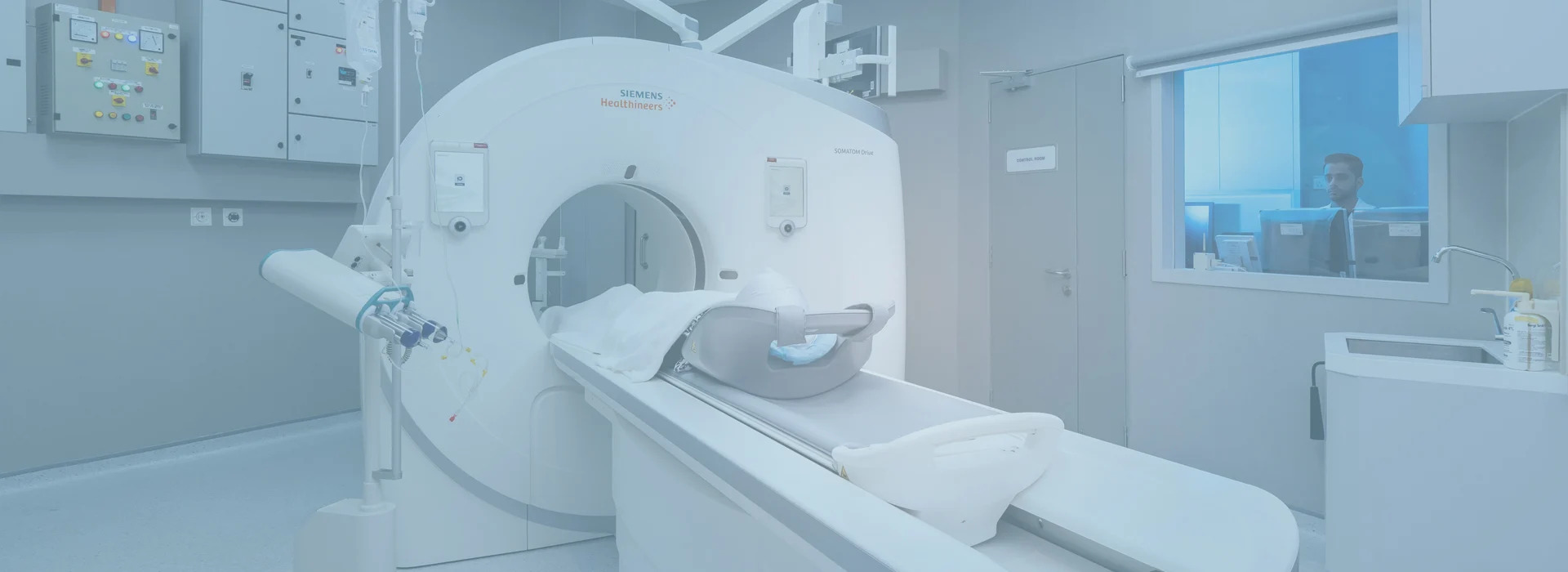
- CT Scan: The most widely used and accurate imaging option for diagnosing appendicitis.
- MRI: An alternative to CT for pregnant women or when radiation exposure should be avoided.
Early diagnosis is key to preventing complications and ensuring successful treatment.[/vc_column_text][vc_empty_space height=”40px”][vc_column_text]
How is Appendicitis Treated?
[/vc_column_text][vc_empty_space height=”20px”][vc_column_text]Appendicitis is a medical emergency. If you are diagnosed with appendicitis, your doctor will most likely recommend surgical removal of the appendix immediately to reduce the risk of rupture.[/vc_column_text][vc_empty_space height=”20px”][vc_column_text]
Types of Surgery
[/vc_column_text][vc_empty_space height=”20px”][vc_column_text]1. Open (traditional) appendectomy
A single incision is made in the lower right abdomen to remove the appendix. This method is commonly used when the appendix has ruptured or when extensive cleaning of the abdomen is required.
2. Laparoscopic appendectomy
A minimally invasive surgery using several small incisions. A tiny camera (laparoscope) guides the surgeon during the procedure. This option usually offers faster recovery, less pain, and smaller scars.
In certain mild cases, especially when the appendix has not ruptured, antibiotics may be used temporarily. However, surgery remains the standard and most effective treatment to prevent recurrence.[/vc_column_text][vc_empty_space height=”40px”][vc_column_text]
What are the Complications of Appendicitis?
[/vc_column_text][vc_empty_space height=”20px”][vc_column_text]Without timely treatment, appendicitis can cause serious and potentially life-threatening complications:
- Perforation: A rupture allows infected material to spill into the abdominal cavity.
- Peritonitis: Infection of the peritoneum (abdominal lining), leading to severe pain, fever, and vomiting. This requires urgent antibiotics and sometimes surgery.
- Abscess formation: Pockets of pus may develop around or away from the appendix. These may need to be drained using a catheter or through surgery.
Prompt medical care dramatically lowers the risk of these complications.[/vc_column_text][vc_empty_space height=”40px”][vc_column_text]
Is There Any Way to Prevent Appendicitis?
[/vc_column_text][vc_empty_space height=”20px”][vc_column_text]Unfortunately, appendicitis cannot be fully prevented because its exact cause is often unpredictable.
However, some studies suggest that a diet high in fibre — fruits, vegetables, whole grains — may reduce the risk by promoting healthy bowel movements and reducing blockages.[/vc_column_text][vc_empty_space height=”40px”][vc_column_text]
Where Should I Go to The Doctor for Appendicitis?
[/vc_column_text][vc_empty_space height=”20px”][vc_column_text]If you experience symptoms of appendicitis — especially sudden abdominal pain that shifts to the lower right side — seek medical help immediately. Do not wait for symptoms to worsen, and do not take painkillers that could mask the warning signs.
Go to the nearest Accident & Emergency department or contact your doctor right away. Appendicitis is a serious medical emergency that requires fast diagnosis and timely treatment to prevent life-threatening complications.[/vc_column_text][vc_empty_space height=”40px”][vc_column_text]
Book an Appointment at Island Hospital
[/vc_column_text][vc_empty_space height=”20px”][vc_column_text]If you suspect you may be experiencing appendicitis, it’s important not to ignore the warning signs. Abdominal pain that begins around the belly button and shifts to the lower right side, nausea, vomiting, or unexplained fever should always be taken seriously.
Appendicitis can progress quickly, and delaying medical attention increases the risk of complications such as a ruptured appendix, infection, or even life-threatening conditions like peritonitis.
Early intervention is key to ensuring a smoother recovery and preventing unnecessary health risks.
At Island Hospital, we prioritise fast, accurate assessment for anyone presenting with symptoms of appendicitis. Our medical team is equipped with diagnostic tools such as ultrasound, blood tests, and physical examinations to determine the cause of your pain.
Book an appointment today![/vc_column_text][vc_empty_space height=”40px”][vc_column_text]
FAQ
[/vc_column_text][vc_empty_space height=”20px”][vc_column_text]
Can appendicitis go away on its own?
[/vc_column_text][vc_empty_space height=”20px”][vc_column_text]Appendicitis does not typically resolve without treatment. Delaying care may increase the risk of rupture and serious infection.[/vc_column_text][vc_empty_space height=”20px”][vc_column_text]
How quickly does appendicitis develop?
[/vc_column_text][vc_empty_space height=”20px”][vc_column_text]Symptoms can worsen within 24 to 48 hours. This is why early evaluation is important.[/vc_column_text][vc_empty_space height=”20px”][vc_column_text]
Is appendicitis always treated with surgery?
[/vc_column_text][vc_empty_space height=”20px”][vc_column_text]Surgery is the most common and effective treatment, especially for severe cases. In mild cases, antibiotics may be considered, but close monitoring is essential.[/vc_column_text][vc_empty_space height=”20px”][vc_column_text]
Can children get appendicitis?
[/vc_column_text][vc_empty_space height=”20px”][vc_column_text]Yes, appendicitis can occur at any age, including in young children. Their symptoms may be harder to recognise, so seek medical attention promptly.[/vc_column_text][vc_empty_space height=”20px”][vc_column_text]
What happens if the appendix bursts?
[/vc_column_text][vc_empty_space height=”20px”][vc_column_text]A ruptured appendix can cause infection to spread throughout the abdomen. This becomes a medical emergency requiring urgent treatment.[/vc_column_text][vc_empty_space height=”40px”][/vc_column][vc_column width=”1/6″][/vc_column][/vc_row][vc_row el_class=”accordion-row”][vc_column width=”1/12″][/vc_column][vc_column width=”10/12″][vc_row_inner el_class=”btn-row”][vc_column_inner width=”1/2″][vc_btn title=”Make An Appointment” style=”flat” align=”right” el_class=”appointment-btn” link=”url:%2Fmake-an-appointment%2F”][/vc_column_inner][vc_column_inner width=”1/2″][vc_btn title=”Make An Inquiry” style=”outline” align=”left” el_class=”inquiry-btn” link=”url:%2Fcontact-us%2F”][/vc_column_inner][/vc_row_inner][vc_empty_space height=”40px”][/vc_column][vc_column width=”1/12″][/vc_column][/vc_row][/vc_section][vc_section full_width=”stretch_row” el_class=”doc-sec” css=”.vc_custom_1711937124038{background-color: #f2f9f9 !important;}”][vc_row full_width=”stretch_row”][vc_column][vc_empty_space height=”60px”][vc_column_text]
Related Doctors
[/vc_column_text][vc_empty_space height=”60px”][vc_row_inner][vc_column_inner offset=”vc_hidden-xs”][vc_basic_grid post_type=”post” max_items=”30″ style=”pagination” items_per_page=”4″ element_width=”3″ orderby=”title” order=”ASC” arrows_design=”vc_arrow-icon-arrow_01_left” arrows_color=”black” paging_design=”none” item=”2127″ grid_id=”vc_gid:1769410229721-05de274b-7a09-6″ taxonomies=”91″][/vc_column_inner][/vc_row_inner][vc_row_inner][vc_column_inner offset=”vc_hidden-lg vc_hidden-md vc_hidden-sm”][vc_basic_grid post_type=”post” max_items=”30″ style=”pagination” items_per_page=”1″ element_width=”12″ orderby=”title” order=”ASC” arrows_design=”vc_arrow-icon-arrow_01_left” arrows_color=”black” paging_design=”none” item=”2127″ grid_id=”vc_gid:1769410229722-ed3d9c73-faec-6″ taxonomies=”82″][/vc_column_inner][/vc_row_inner][/vc_column][/vc_row][/vc_section][vc_section full_width=”stretch_row” css=”.vc_custom_1651052130247{background-image: url(https://islandhospital.benova.com.my/wp-content/uploads/2021/10/single_blog_bg.png?id=3372) !important;}”][vc_row full_width=”stretch_row” el_class=”related-blog-row”][vc_column][vc_column_text]
Latest Blog Posts
[/vc_column_text][vc_empty_space height=”60px”][vc_basic_grid post_type=”post” max_items=”3″ item=”1332″ grid_id=”vc_gid:1769410229723-c3ed198f-d676-5″ taxonomies=”19″][vc_empty_space height=”50px”][/vc_column][/vc_row][/vc_section][vc_section full_width=”stretch_row”][vc_row][vc_column][vc_row_inner el_class=”subscribe-newsletter-section”][vc_column_inner width=”1/12″ offset=”vc_hidden-md vc_hidden-sm vc_hidden-xs”][/vc_column_inner][vc_column_inner el_class=”subscribe-newsletter-col” width=”4/12″][vc_column_text]
Subscribe To Our Newsletter
[/vc_column_text][/vc_column_inner][vc_column_inner width=”6/12″]